professional Plainfield Auto Repair for car maintenance
Essential Guide to Car Repair Services: Finding a Trusted Auto Mechanic Near You
Locating a reputable auto mechanic is important for proper vehicle care and road safety. A lot of drivers experience frequent repair obstacles that can create unplanned costs and dissatisfaction. Familiarizing yourself with available services and recognizing the right traits in a mechanic can considerably influence both efficiency and financial planning. By taking the right steps, you can develop a dependable partnership with a mechanic. Still, the process of locating that perfect match demands attention to several critical factors.
Frequent Auto Repair Problems and How to Solve Them
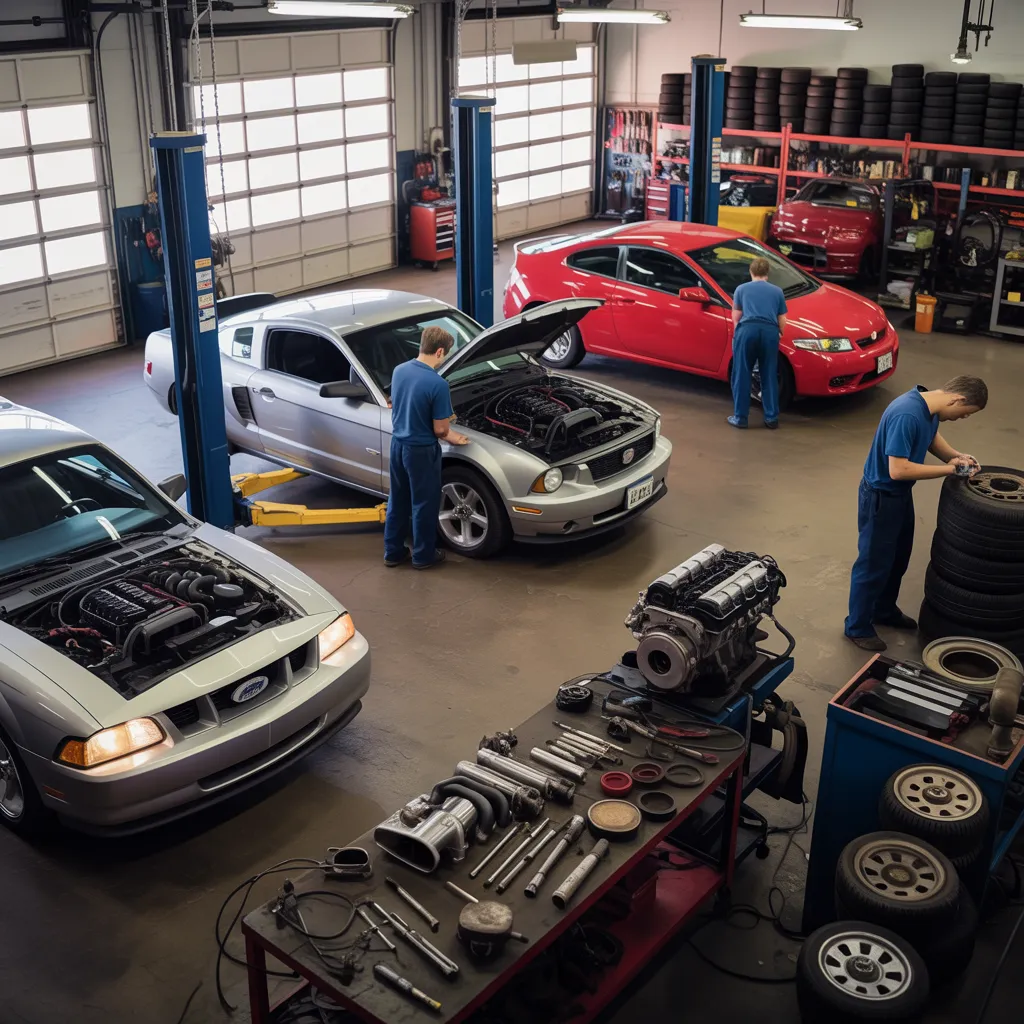
What obstacles do car owners frequently face when seeking repair services? A great number of car owners deal with insufficient transparency concerning repair pricing and available services. In many cases, estimates do not account for all underlying issues, causing unanticipated charges. Additionally, trust becomes a significant concern; car owners may feel uncertain about the qualifications of mechanics, fearing they might be overcharged or misled. Appointment availability can also be problematic, as high-demand repair facilities may be unable to fulfill pressing requests. In addition, insufficient awareness of typical vehicle problems can make owners susceptible to unneeded services. In order to navigate these obstacles, conducting proper research is key. Reviewing testimonials and gathering suggestions can aid in finding reliable automotive professionals. Moreover, acquiring various estimates can shed light on competitive and equitable costs. In conclusion, gaining knowledge about essential automobile care can strengthen owners' positions, helping them interact more effectively with repair professionals and arrive at sound decisions about their vehicle's servicing.
Kinds of Car Repairs and Choosing the Best Auto Mechanic
Car owners must navigate different kinds of repair needs, each requiring specific expertise and knowledge. Common repairs include engine diagnostics, brake services, transmission work, and electrical system repairs. Engine diagnostics rely on detecting faults with the help of cutting-edge instruments, while brake repairs are centered on delivering superior safety and operational performance. Transmission repairs tend to be intricate, frequently requiring expert knowledge, and electrical system maintenance tackles concerns involving circuits and associated components.
When seeking an auto mechanic, it is vital to keep in mind the type of service needed. Many mechanics focus on specific repair areas, making it necessary for car owners to pair their car's unique needs with the right mechanic's knowledge. Furthermore, familiarity with the car's make and model can streamline the repair process. By understanding the types of repairs and selecting the appropriate auto mechanic, car owners can be confident their vehicles receive the right care, leading to improved reliability and a longer vehicle lifespan.
What to Seek in a Trustworthy Auto Mechanic
When seeking a dependable car mechanic, how does one determine the right decision is being made? Important factors to consider include experience, certifications, and customer reviews. A reliable mechanic frequently maintains qualifications from established organizations, demonstrating they have completed thorough training and follow industry guidelines. Moreover, experience holds significant importance; an experienced mechanic with years of practice will probably demonstrate greater familiarity with different vehicle types and problems.
Customer reviews give helpful details into a mechanic's trustworthiness and work quality. Favorable reviews and strong ratings can indicate a dependable expert. Additionally, openness about costs and straightforward communication are essential traits. A reliable mechanic should provide detailed estimates and explain repairs in understandable terms. Lastly, a strong guarantee on parts and workmanship can reflect their commitment to quality, ensuring peace of mind for the vehicle owner.
Finding Local Mechanics Through Effective Research
How does one go about researching local mechanics to make an informed choice? To begin, making use of online resources is key. Platforms such as Yelp and Google Reviews offer customer opinions and ratings, shedding light on mechanics' standings. Moreover, social media networks can be useful in pinpointing nearby options and amplifying community endorsements.
Another effective method involves reaching out to friends or family for recommendations, as individual encounters tend to produce dependable advice. Checking out local automotive forums can also prove beneficial, where enthusiasts share their experiences and recommendations.
After identifying a few potential mechanics, reviewing certifications and connections with professional organizations, like the Automotive Service Association (ASA), can boost confidence in their expertise. Additionally, visiting the facilities in person allows for evaluating cleanliness, organization, and customer service, thereby strengthening the decision-making process. Performing detailed research helps individuals identify a mechanic who aligns with their needs and expectations.
Important Questions to Ask Your Mechanic?
When looking for car repair services, it is important to pose the right questions to ensure excellent care. Find out about the technician's credentials and expertise, as well as the particular services they provide and their fee structure. Such questions can help set clear expectations and foster trust in the service process.
Expertise and Credentials
Picking the right mechanic can greatly influence a vehicle's longevity and performance. When evaluating potential mechanics, it's crucial to ask about their background and credentials. Prospective clients should ask how long the mechanic has been in the industry and whether they focus on specific vehicle makes or models. Furthermore, certifications from recognized organizations, such as the National Institute for Automotive Service Excellence (ASE), can reflect a mechanic's commitment to professional standards. Looking into ongoing education and training is also beneficial, as it reflects a mechanic's commitment to staying current with the latest advancements and methods. Finally, seeking recommendations or reading reviews can give useful perspective on a mechanic's reliability and skill level.
Services Offered and Pricing
Recognizing the breadth of services provided and their related fees is vital for any vehicle owner seeking reliable car repair. Automobile owners should inquire about particular services such as oil changes, brake repairs, tire rotations, and vehicle diagnostics. It is essential to seek a thorough breakdown of fees, including components and workmanship. Transparency in pricing can prevent unexpected expenses and build trust. Moreover, clients should determine whether the technician provides repair warranties, as this can demonstrate their commitment to quality. Evaluating costs among local mechanics can be useful in establishing fair rates. Ultimately, posing these important questions ensures that automobile owners make informed decisions regarding the care and maintenance of their cars.
Characteristics of a Reputable Auto Repair Shop
A reputable auto repair shop shows several important characteristics that set it apart from less reputable establishments. To begin with, transparency is vital; a dependable shop delivers clear, detailed estimates and outlines the required repairs without relying on complex technical language. In addition, customer testimonials and endorsements carry great importance; encouraging testimonials from past customers often indicates a dedication to excellent service.
Another key indicator is the presence of credentialed mechanics. Garages hiring ASE-certified mechanics demonstrate a level of knowledge and competence that enhances trust. Moreover, a reliable vehicle repair facility upholds a neat and orderly setting, reflecting its attention to detail and commitment to quality.
Finally, a reliable establishment values customer service, ensuring that clients feel appreciated and understood. This involves following up on repairs and addressing any concerns promptly. Collectively, these attributes form an environment where customers can feel assured of the quality of work performed.
Why Regular Maintenance and a Good Mechanic Matter
Routine maintenance plays a vital role in increasing the longevity of your vehicle and maintaining optimal performance. A reliable mechanic not only delivers dependable service but also detects possible problems before they worsen, ultimately leading to cost-effective repairs. Recognizing these elements underscores the importance of a proactive approach to car care.
Preventive Maintenance Benefits
Consistent preventive maintenance can considerably extend a vehicle's lifespan and enhance its performance. Routine inspections and prompt services, such as oil changes and tire rotations, assist in identifying potential issues before they escalate into expensive repairs. This preventive approach not only cuts expenses but also ensures that the vehicle performs efficiently, improving fuel economy and reducing emissions. Furthermore, adhering to a scheduled maintenance plan can maintain the manufacturer's warranty, delivering greater peace of mind. A well-maintained vehicle is also safer, as preventive inspections can address essential components like brakes and steering. In summary, regular maintenance promotes reliability and enhances the driving experience, making it critical for vehicle owners to focus on these services.
Trustworthy Mechanic Importance
Frequently underestimated, the value of having a dependable mechanic cannot be understated. A skilled mechanic serves as an invaluable partner in vehicle ownership, providing not only technical skill but also peace of mind. Regular maintenance performed by a qualified expert helps reduce the risk of sudden repairs and prolongs vehicle longevity. Trustworthy mechanics build connections based on transparency and communication, get details ensuring that car owners are informed about necessary repairs and maintenance schedules. This creates an atmosphere where customers feel confident in their decisions, steering clear of inferior workmanship. At the end of the day, a good mechanic is indispensable, helping to preserve the safety and efficiency of your vehicle while saving time and stress in the long run.
Budget-Friendly Repairs Overview
Regular maintenance significantly lowers the cumulative cost of maintaining a vehicle. Regular check-ups and minor repairs can avoid major problems that result in pricey mechanical failures. A good mechanic not only identifies potential problems early but also delivers excellent workmanship, guaranteeing that fixes are completed correctly from the start. Such a forward-thinking strategy lowers the likelihood of ongoing concerns and extends the life of your vehicle. Moreover, maintaining a consistent relationship with a trusted mechanic fosters transparency regarding repair costs and necessary services. By prioritizing regular maintenance and selecting a reliable mechanic, car owners can experience a more comfortable journey and likely conserve significant amounts on future repair expenses. Prioritizing upkeep is fundamentally a wise monetary choice for every car owner.
Common Questions and Answers
How Can I Get an Estimate Before Repairs Begin?
To receive an estimate ahead of any repair work, vehicle owners should request detailed quotes from a number of automotive technicians, making sure they include an itemized list of services and parts. This method encourages well-informed choices and encourages transparency.
What Warranties Do Auto Repair Shops Typically Offer?
Auto repair facilities generally offer warranties on parts and labor, ranging from 30 days to several years. Warranty coverage differs from shop to shop, so clients are encouraged to ask about the specific terms and conditions before authorizing repairs.
What Signs Should I Be Aware of Before Taking My Car to a Mechanic?
Before taking your car to a mechanic, one should watch for strange sounds, warning lights, fluid leaks, reduced vehicle performance, or excessive vibrations. These warning signs point to potential issues that call for professional inspection to ensure your vehicle remains safe and dependable.
How Often Should My Car Be Serviced?
Most experts recommend getting a car serviced every 5,000 to 7,500 miles, or no less than two times per year. Routine upkeep helps ensure peak performance, improves safety, and prolongs the vehicle's lifespan, making it a vital practice for those who own a car.
What Forms of Payment Are Accepted at Most Auto Repair Shops?
Many auto repair facilities offer various payment options, such as cash, credit/debit cards, checks, and financing options. Some may also accept digital payment applications or present flexible payment arrangements to meet the financial needs and preferences of their customers.